by Keri Rozansky | Oct 21, 2026 | Blog
I’m not just writing the next Detective Ellison book. I’m outlining new books – Ellison and maybe some standalone stories, too. Some of these are just an idea, a sentence or two in my notes app, and something I’m chipping away at forming into a fully-formed idea that’s worthy of an outline and a spot in my writing lineup.
That also means I continue to research some interesting and not-so-interesting topics, leading to deep dives on some of the strangest things I never thought I’d need to know about, or really care how they worked.
Like the term Internet of Things, and its more common abbreviation – IoT. These are all the ‘things’ – devices, appliances, and the like – that have an internet connection. There are things you may know about – fridge you can see into with an app, the robot vacuum that knows the layout of your house, or the thermostat you can control from thousands of miles away, are just a few of the things that are part of IoT technology.
But there are others that are less obvious. The new digital sales signs in stores – those are controlled remotely, so workers can tap a few buttons on the system rather than create new files and print new signs to slide into holders every week. Even the overhead lights at the store or the lighted sign out front announcing the store’s name might be part of it. Even door locks.
As I write this, there is news that a certain system that services at least 70% of the world’s – yes, the world’s – websites has become vulnerable. Technology professionals have rushed to patch the problem, while systems administrators at companies are similarly rushing to protect internal systems.
A savvy hacker can take down security measures in no time. While IoT devices can often make life easier – just log in to your fridge or freezer to check if you need milk, or check your app to make sure your home security alarm is on. If you can do it, so can someone else who may have bad intentions.
This isn’t to say that you should immediately cut the cord on everything. Just know that it could happen, and make sure you safeguard yourself.
by Keri Rozansky | Oct 14, 2026 | Blog
A picture is worth a thousand words. An author can create entire worlds from the color of the grass to the peak of the tallest skyscraper – a stunning landscape for the events of the story and the characters to live in.
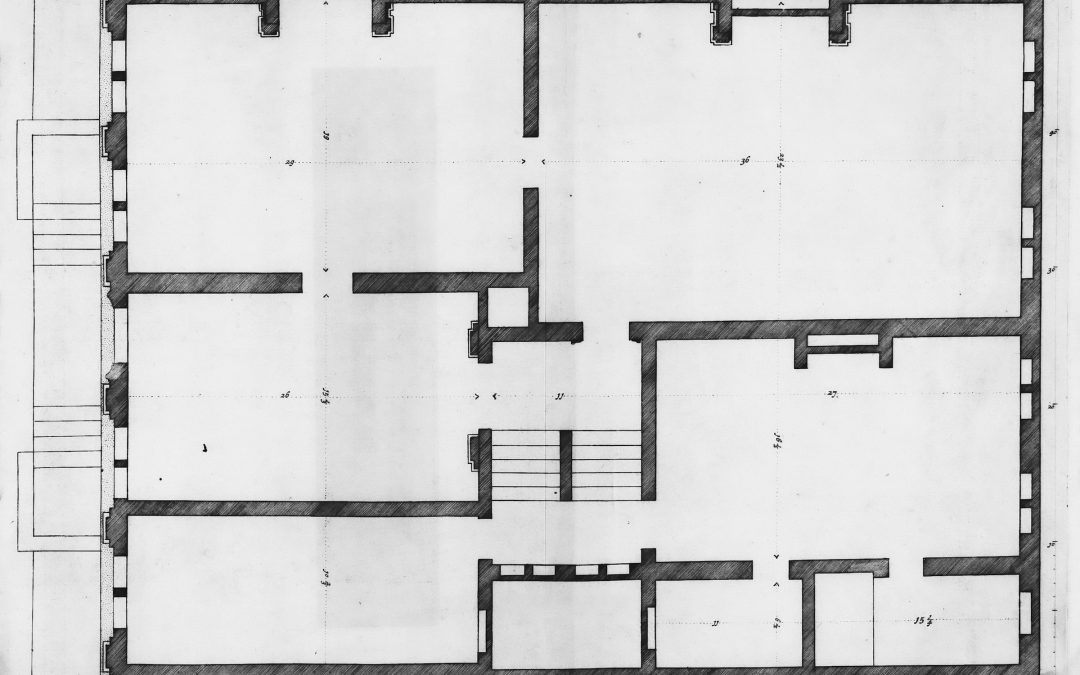
But how do those characters live, work, and move within the world? I’ve run into this problem many times while writing. I envision a large mansion with an expansive back yard that includes a pool, a pool house, a garden and greenhouse, and maybe even a guest house. But how do the characters move around this property? How do they get from the front door of the main house to the pool or any of those other areas? Where is their bedroom? Where are the bathrooms?
In Midnight Splash, Turner’s bedroom is upstairs. If his dad called him for dinner and he was in his room at the time, Turner shouldn’t com sauntering in from the doorway from the living room. The bedroom also has an en suite bathroom, so it’d be odd if he was walking down the hall with a fresh set of clothes to take a shower.
Considering these things is not about becoming an architect. It’s about understanding the story and the space enough that the events happen seamlessly without the reader flipping back several pages because they remembered “there was a wall there in chapter six – did it move?”
The thing about architecture is that it is very difficult to change once put in place, so thinking about setting and how it’s used is a basic detail that must be decided before you move on. I’m fortunate enough to be married to a building designer. I turn around, sketch something out and say “can this work?” When the answer is yes, I start thinking about how my characters will move through it. Where are the doors? Windows? Elevators? Stairs? Is there a courtyard entry or just a sidewalk?
Sometimes all I need is a quick sketch of a building shape. Sometimes I need to envision that courtyard and those doors and windows. Sometimes I need a complete floor plan so I know how a character has to move to get to a specific point.
If I’m thorough, you won’t notice those mechanics. You’ll just watch as the character opens the door, walks in, and goes to the elevator. You won’t think about the hours of thought I put in for a sentence or two. Until I forget that the Engineering Wing on the college campus a character attends is on the south side of the building, not the north.
Have you ever been engrossed in a story and suddenly pulled out when you realized the characters can’t go “that way” because it was impossible just a few chapters ago? Let’s talk on Facebook!
by Keri Rozansky | Oct 7, 2026 | Blog
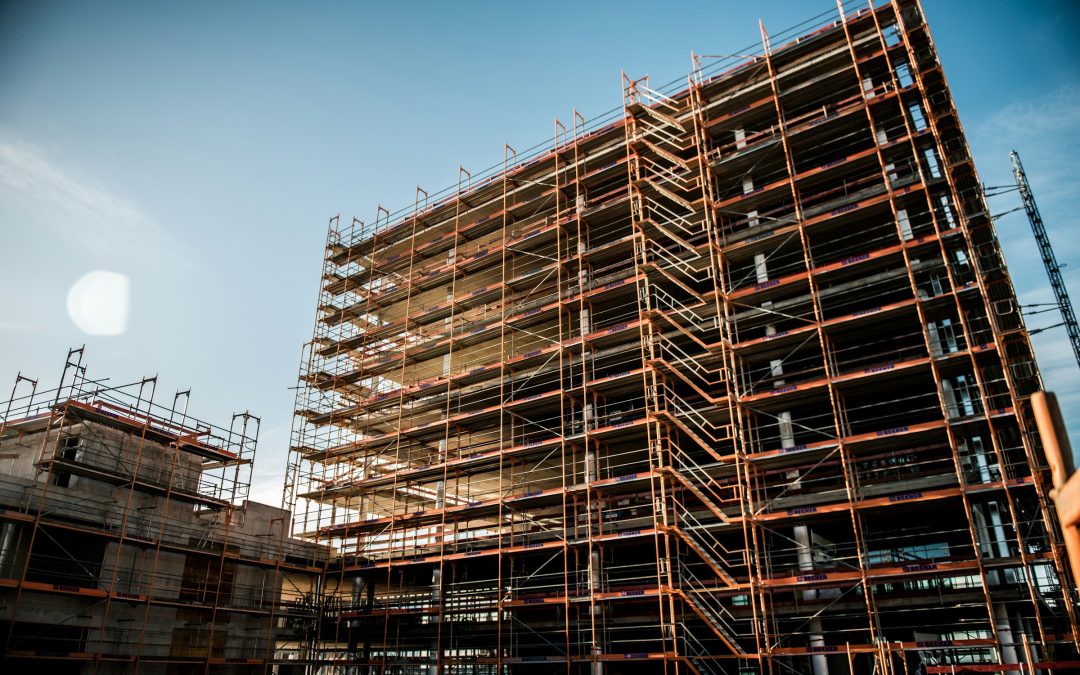
Having plans and direction is good – and even safe – when it comes to many things. A building constructed without plans as to where walls, doors, windows, plumbing, and electrical go isn’t going to stand for very long. Knowing where you’re going and how to get there prevents wrong turns and lost time, especially when your destination also comes with a deadline, like an interview, a gathering, or other appointment.
These types of plans and structure help move things forward. But remember back in school when the teacher wanted an outline, a rough draft, and the final paper? Yes, it was meant to guide you through a structured writing process to ensure you wrote a full, detailed paper.Personally, I dislike outlines. I find them limiting, or I think of something else that flows better or makes better sense and suddenly the outline is broken. Event A is supposed to happen in Chapter 12? The flow of actually writing had it happening in Chapter 8. Meaning things that happen in the chapters leading up to 12 need to be reassigned, or cut altogether because now it doesn’t make sense.
As I draft, notes clutter the side margin – reminders of who is who, whether times and even character ages line up, what I named the brewery the main character frequents, and other research notes. A new document is started titled Story Title – UNUSED, just in case something becomes useful again.
I’ve strayed so far from the original premise that I’m on “Final Master Outline v3” and potentially looking at a “Final Master Outline v4.” Because once things start to flow, there’s really no stopping them or reining them in. Forcing them to stay in line? Ha! Have you tried to write a fictional character? Word of advice if you haven’t: don’t.
You may have read writing advice about The Three Act Structure, inciting incident, rising and falling action, climax, and resolution. “The inciting incident should happen X% of the way into the book. Your Act 2 should be X% of the book, so if you’re writing a 300-page…” Excuse me? How do I know final page count before I’ve even written the first word? Do your characters care about percentages? Honestly, most of them say IDGAF and wander off to do their own thing. That piece of key evidence that wasn’t supposed to appear until Chapter 10? The MC found it in Chapter 5.
I’m not saying that outlines and structure don’t work, they do. Outlining and drafting help you tell the story to yourself so you can tell the story to your readers. What doesn’t work is the limits it puts on your creativity. The words might flow, but in the back of your mind there’s this little voice whispering “that wasn’t supposed to happen until Chapter 10.”
Writing isn’t about forcing an idea into a single mode and making it work that way at all costs. Listen to your creativity and let it take you where you’re supposed to go.
What was your biggest frustration about outlining and drafting? Let’s talk on Facebook!